



- 商品介绍
- 规格参数
- 包装参数
General description
L-Alanine Dehydrogenase has a N-terminal substrate-binding domain and a C-terminal NAD-binding domain.
Application
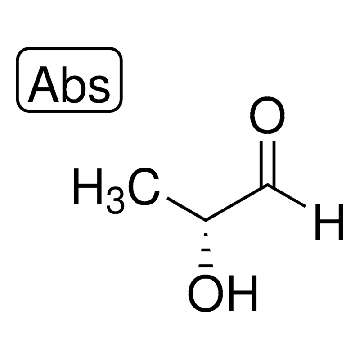
L-Alanine dehydrogenase converts L-alanine to pyruvate and ammonium. L-Alanine dehydrogenase from Bacillus subtilis may be used to study enzyme inactivation and protection .
Biochem/physiol Actions
L-Alanine dehydrogenase is a stereospecific dehydrogenase that catalyzes the reversible deamination of L-alanine to pyruvate and ammonium. It is important for the generation of pyruvate during sporulation. L-Alanine dehydrogenase from Bacillus subtilis has a predominately ordered kinetic mechanism in which NAD binds before L-alanine. Subsequently, ammonia, pyruvate and NADH are released in that specific order. Optimal pH for the amination reaction is 8.8-9.0, whereas it is 10-10.5 for the deamination reaction. The enzyme is inactivated by divalent metal ions and p-chloromercuribenzoate, mercuric ion being most effective. The inactivation may be reversed by L- or D-cysteine.
Physical form
Suspension in 2.4 M (NH4)2SO4 solution, pH 7.0
Other Notes
One unit will convert 1.0 μmole of
| biological source | Bacillus subtilis |
| Quality Level | 200 |
| form | ammonium sulfate suspension |
| specific activity | ≥20 units/mg protein (Lowry) |
| storage temp. | 2-8°C |
| 长度(mm) | |
| 宽度(mm) | |
| 高度(mm) | |
| 重量(kg) |
-
询价
-
询价
-
¥ 1779.22
-
¥ 1866.29
-
询价
-
询价
-
¥ 1724.25
-
询价
-
¥ 3372.68
-
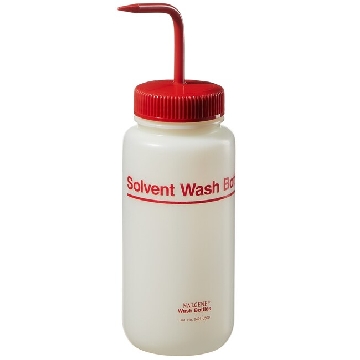
¥ 4390.38
-
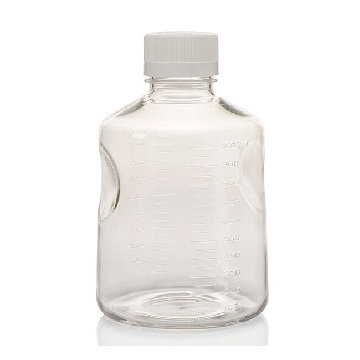
¥ 1301.36
-
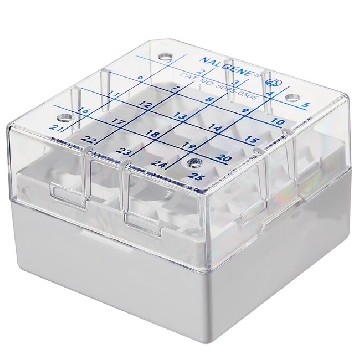
¥ 8137.12
-
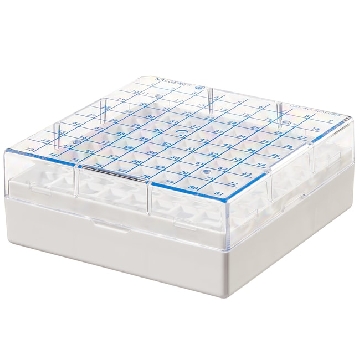
¥ 4020.77
-
¥ 1783.21
-
¥ 3404.94
-
 NALGENE 180透明塑料管,透明,柔软,多用,经济,内径 x 外径x壁厚,1/8 x 1/4 x 1/16,英寸,每箱数量50,50/箱,8000-0020,Thermofisher,赛默飞世尔
询价
-
¥ 26022.64
-
¥ 51018.02
-
¥ 108621.02
-
询价









 微信小程序
7X24小时在线咨询
微信小程序
7X24小时在线咨询