



- 商品介绍
- 规格参数
- 包装参数
Application
Crinecerfont hydrochloride is suitable for use as a CRF-R1 antagonist to study its effects on hypothalamic–pituitary–adrenal (HPA) axis basal circadian activity and negative feedback sensitivity in mice models.
Biochem/physiol Actions
Crinecerfont HCl exhibits nanomolar affinity (Kᵢ ~ 0.8-1.8 nM) for CRF1 receptors across human recombinant (hCRF1-CHO cells, pKᵢ = 8.73) , human native (Y79 cells, pKᵢ = 9.08), rat (pKᵢ = 8.77), mouse (pKᵢ = 8.90), and gerbil (pKᵢ = 9.00) brain tissues, while demonstrating a >1,000-fold selectivity against CRF2a receptors and CRF binding protein. Functionally, Crinecerfont’s mechanism of action is through the CRF1 receptor, modulating the cAMP pathway, and competitively inhibiting CRF-induced cAMP production (IC50 = 3.0 nM) in human retinoblastoma Y79 cells and CRF-stimulated adrenocorticotropic hormone (ACTH) secretion in mouse pituitary AtT-20 cells, without displaying any intrinsic agonist activity, demonstrating a highly selective inhibition of CRF1 receptor function. Furthermore, Crinecerfont also influences the cholinergic and noradrenergic systems, reducing hippocampal acetylcholine release and cortical norepinephrine release in rats under stress conditions.
Disclaimer
Hygroscopic Store with desiccant
| Quality Level | 100 |
| assay | ≥98% (HPLC) |
| form | powder |
| storage condition | desiccated |
| color | white to beige |
| solubility | DMSO: 2 mg/mL, clear |
| storage temp. | -10 to -25°C |
| 长度(mm) | |
| 宽度(mm) | |
| 高度(mm) | |
| 重量(kg) |
-
询价
-
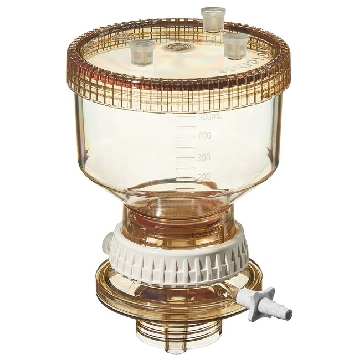
¥ 1779.22
-
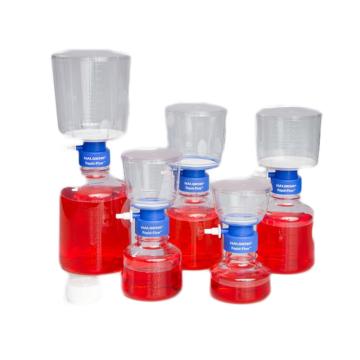
¥ 1451.54
-
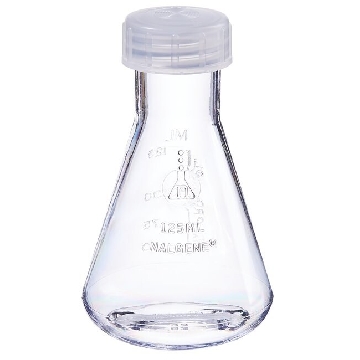
¥ 4173.75
-
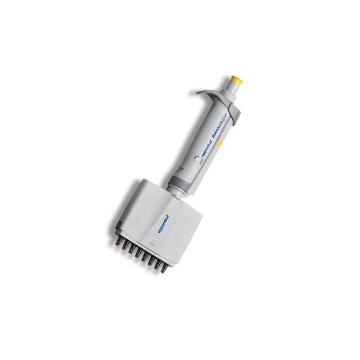
询价
-
询价
-
询价
-
询价
-
¥ 8520.40
-
询价
-
询价
-
询价
-
询价
-
¥ 3319.60
-
¥ 2307.00
-
¥ 1509.00
-
¥ 2132.12
-
¥ 3796.67
-
¥ 58855.47
-
询价









 微信小程序
7X24小时在线咨询
微信小程序
7X24小时在线咨询