



- 商品介绍
- 规格参数
- 包装参数
General description
Pseudomonas aeruginosa is a rod shaped, gram negative, monoflagellated, aerobic to facultative anaerobe bacteria which commonly inhabits soil and aqueous environments.1,2 P.aeruginosa is considered an opportunistic human pathogen mainly causing disease in immunocompromised patients. It is especially fatal in cystic fibrosis (CF) patients, but also presents a major problem in chronic wounds, burn wounds and infection of implanted biomaterials such as catheters.3
Application
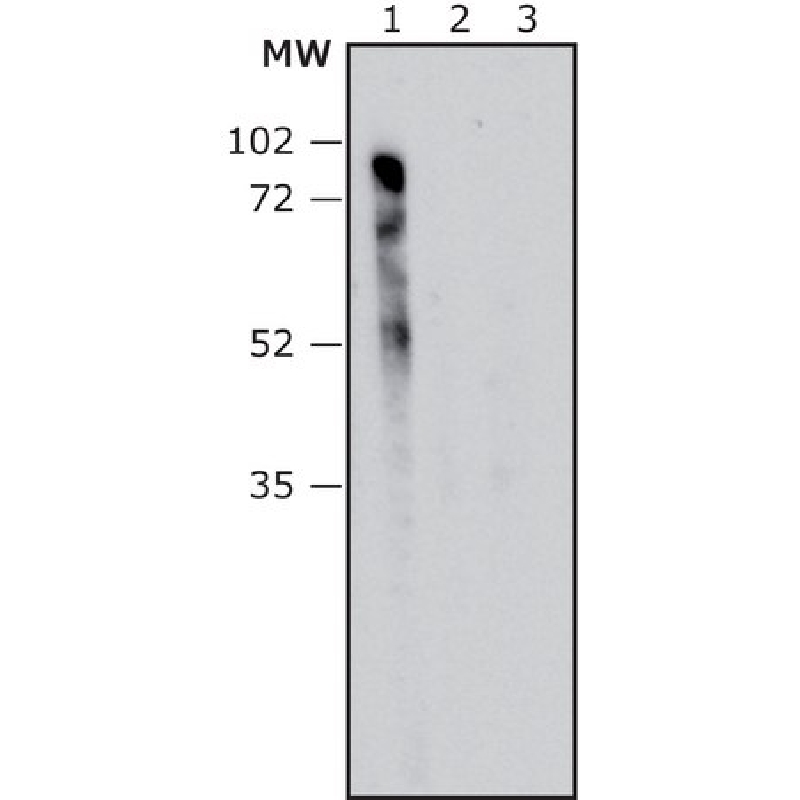
The antibody may be used in various immunochemical techniques including ELISA and Immunoblotting. Detection of the P. aeruginosa LPS bands by Immunoblotting is specifically inhibited by the immunogen.
Biochem/physiol Actions
P. aeruginosa is a major cause of nosocomial infections which affect more than 2 million patients every year and are accounted for around 90,000 deaths annually.3 It forms highly resistant biofilms on human tissues such as the lungs of CF patients or medical surfaces. Once P. aeruginosa infection is established it is extremely hard to eradicate.3 The genome of P. aeruginosa encodes a vast arsenal of virulence factors. However, the P. aeruginosa isolated from chronic infections expresses less virulence factors in comparison to isolates from acute infections but more readily form biofilms.1,4-6
P. aeruginosa cells possess a single flagellum and type 4 pili that are important for adhesion to the host epithelial cells, motility and can also initiate an inflammatory response.1 After adhesion, P. aeruginosa activates Type 3 secretion system (T3SS) and injects cytotoxins into the host cell.1 Moreover, P. aeruginosa secretes several proteases, which can degrade host complement, mucins, and disrupt tight junctions6-7,. In addition to lipases and phospholipases, that degrade lipids in host cell membranes6, and expresses Lipopolysaccharide (LPS), that is involved in inflammatory response and antibiotic resistance8.
Antibiotic resistance to many classes of antibiotics is a major challange in P. aeruginosa treatment. P. aeruginosa possesses several resistance mechanisms such as, low permeability of the outer membrane,
expression of membrane efflux (Mex) pumps, and β-lactamase and AmpC that hydrolases β-lactam antibiotics such as, penicillin9. In addition, as a result of genetic transfer new resistant strains emerge constantly. Therefore, finding new prevention and treatment strategies for P. aeruginosa infection is of high importance.1
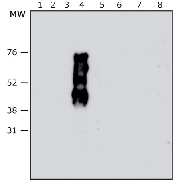
The antibody has no cross reactivity with LPSs of Proteus mirabilis, Porphyromonas gingivalis, E. coli, Akkermansia muciniphila or Salmonella enterica.
Physical form
Supplied as a solution in 0.01 M phosphate buffered saline pH 7.4, containing 15 mM sodium azide as a preservative.
Preparation Note
For continuous use, store at 2-8°C for up to one month. For extended storage, freeze in working aliquots. Repeated freezing and thawing is not recommended. If slight turbidity occurs upon prolonged storage, clarify the solution by centrifugation before use. Working dilution samples should be discarded if not used within 12 hours. Protect from prolonged exposure to light.
Disclaimer
This product is for R&D use only, not for drug, household, or other uses. Please consult the Material Safety Data Sheet for information regarding hazards and safe handling practices.
| antibody form | purified from hybridoma cell culture |
| Quality Level | 200 |
| clone | PSL-52 |
| shipped in | dry ice |
| storage temp. | −20°C |
| target post-translational modification | unmodified |
| 长度(mm) | |
| 宽度(mm) | |
| 高度(mm) | |
| 重量(kg) |
-
询价
-
询价
-
¥ 1683.78
-
询价
-
询价
-
询价
-
询价
-
¥ 3290.05
-

询价
-
询价
-
¥ 5014.59
-
¥ 5990.26
-
询价
-
¥ 165230.53
-
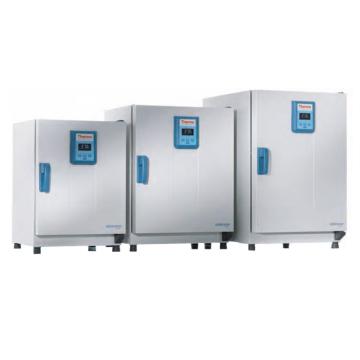
¥ 18741.69
-
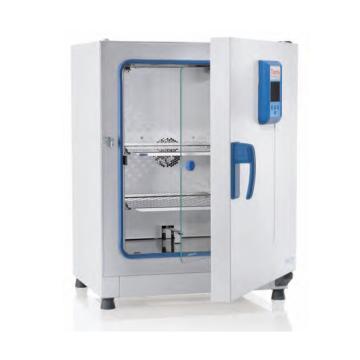
¥ 37675.92
-
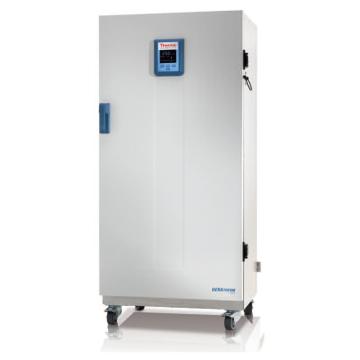
¥ 51018.02
-
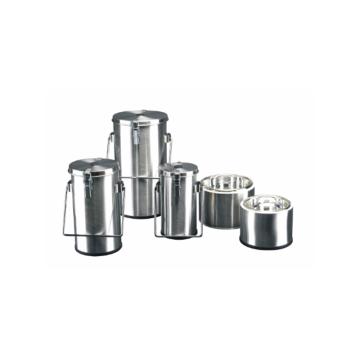
¥ 3704.60
-
¥ 108621.02
-
询价









 微信小程序
7X24小时在线咨询
微信小程序
7X24小时在线咨询