




- 商品介绍
- 规格参数
- 包装参数
General description
Monoclonal Anti-Human Gastric Mucin (mouse IgG1 isotype) is derived from the 445M1 hybridoma produced by the fusion of mouse myeloma cells and splenocytes from BALB/c mice immunized with mucin isolated from human ovarian cyst fluid. Mucin is a high M.W. (1,000 kDa) glycoprotein, expressed by mucus cells of the gastric epithelium and by goblet cells of the fetal, precancerous and cancerous colon, but not by those of the normal colon. It also appears in other epithelial tissues, which are embryologically derived from the foregut (epigastric and bronchial epithelium) and in Müller ducts (mucus cells of the endocervix and urethral epithelium near the prostatic utriculus).
Mucin has a netlike, branched structure and is a secreted protein. It belongs to the category of gel-forming mucins. The gene encoding this protein is upregulated by interleukin-1β (IL-1β) and is localized on chromosome 11p15.5.
Immunogen
mucin from human ovarian cyst fluid.
Application
Applications in which this antibody has been used successfully, and the associated peer-reviewed papers, are given below.
Immunofluorescence (1 paper)
Monoclonal Anti-Human Gastric Mucin may be used for the localization of gastric mucin using various immunochemical assays such as immunoblot, immunofluorescence, immunohistochemistry, immunostaining and immunoradiofixation.
Biochem/physiol Actions
Mucin is composed of a peptide core containing heavily glycosylated regions and nonglycosylated regions. The heavily glycosylated components of mucin consist of a mosaic of epitopes, some of which are associated with saccharide moieties and are related to blood-group antigens, and others which are M1 antigens associated with the peptidic core. M1 antigens are common to human ovarian mucinous cyst fluids and to gastric mucosa. M1 is distributed in various human tumors such as the colon, stomach, pancreas, ovary, Barrets′ esophagus, endocervix, and endometrium carcinomas.
The antibody recognizes the mucin epitope g located in the peptide core of gastric mucin (>1,000 kDa). This epitope is completely destroyed by thiol reduction (using mercaptoethanol) and partially lost following trypsin proteolysis, but is stable upon periodate oxidation. The antibody stains the surface gastric epithelium of normal human gastrointestinal tract and reacts with fetal, pre-cancerous and cancerous colonic mucosa, but not with normal colon.
Disclaimer
Unless otherwise stated in our catalog or other company documentation accompanying the product(s), our products are intended for research use only and are not to be used for any other purpose, which includes but is not limited to, unauthorized commercial uses, in vitro diagnostic uses, ex vivo or in vivo therapeutic uses or any type of consumption or application to humans or animals.
| biological source | mouse |
| Quality Level | 200 |
| conjugate | unconjugated |
| antibody form | ascites fluid |
| antibody product type | primary antibodies |
| clone | 45M1, monoclonal |
| contains | 15 mM sodium azide |
| species reactivity | chicken, monkey, rat, rabbit, pig, hedgehog, mouse, human, feline |
| technique(s) | immunocytochemistry: suitable,immunohistochemistry (formalin-fixed, paraffin-embedded sections): 1:200 using sections of human stomach,western blot: suitable using non-reducing conditions |
| isotype | IgG1 |
| UniProt accession no. | P98088 |
| shipped in | dry ice |
| storage temp. | −20°C |
| target post-translational modification | unmodified |
| Gene Information | human ... MUC5AC(4586) mouse ... Muc5ac(17833) rat ... Muc5ac(682837) |
| 长度(mm) | |
| 宽度(mm) | |
| 高度(mm) | |
| 重量(kg) |
-
询价
-
询价
-
¥ 1148.92
-
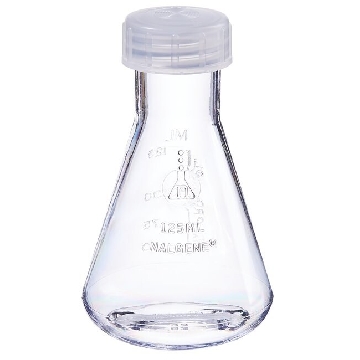
¥ 4173.75
-
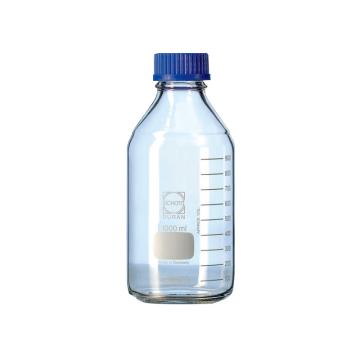
询价
-
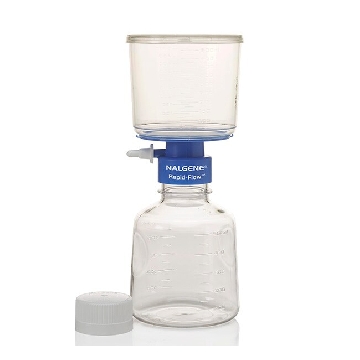
¥ 4968.78
-
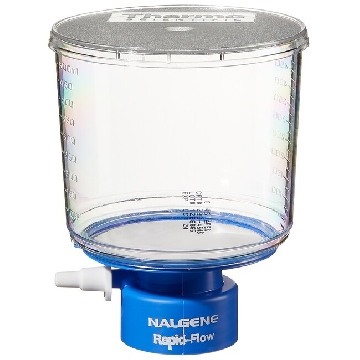 瓶顶过滤器-500ml容量,MF75TM系列,聚苯乙烯外壳,75mmPES滤膜,孔径0.45um,适合瓶颈尺寸33mm,12/箱,295-3345,Nalgene,Thermofisher,赛默飞世尔
¥ 1938.54
-
¥ 8982.64
-
¥ 2842.54
-
¥ 2666.57
-
¥ 2617.87
-

¥ 787.34
-

¥ 954.17
-
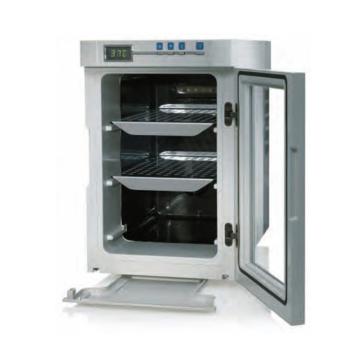
¥ 8072.66
-
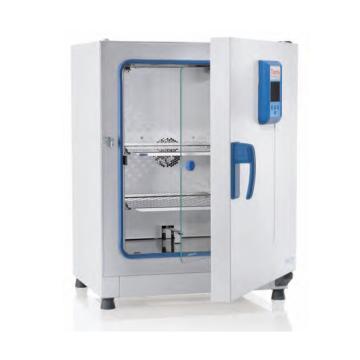
¥ 37675.92
-
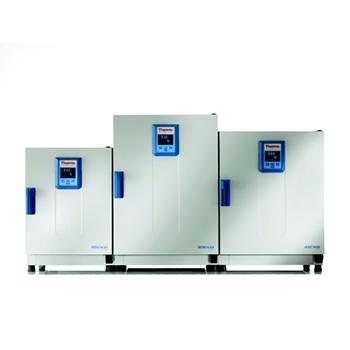
询价
-
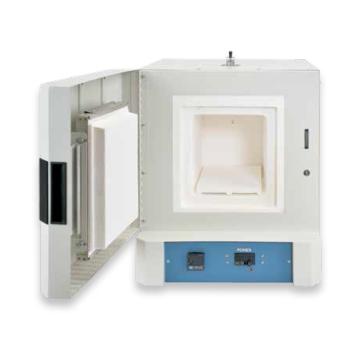
¥ 30616.15
-
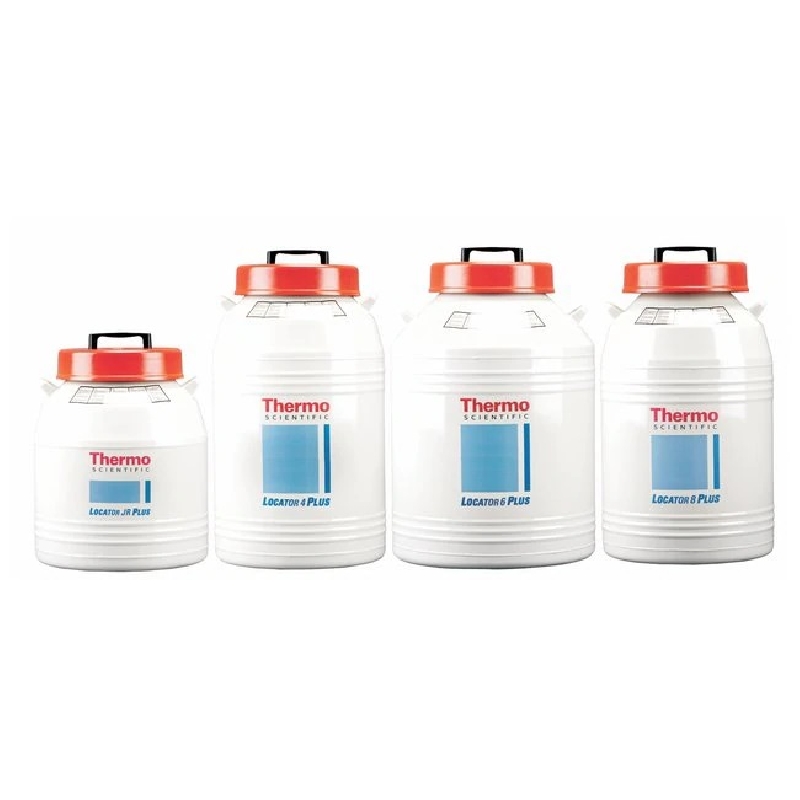
¥ 51962.23
-
¥ 22322.85
-
¥ 21702.96









 微信小程序
7X24小时在线咨询
微信小程序
7X24小时在线咨询