


- 商品介绍
- 规格参数
- 包装参数
General description
Glucose-6-phosphate isomerase (GPI) alternatively known as Autocrine motility factor (AMF), Neuroleukin (NLK), Phosphoglucose isomerase (PGI), Phosphohexose isomerase (PHI) or Sperm antigen 36 (SA-36) and encoded by the gene name GPI is major enzyme in glycolysis and gluconeogenesis. Glucose-6-phosphate isomerase rearranges glucose-6-phosphate (from the phosphorylation of glucose via hexokinases) into fructose-6-phosphate (F6P) as the second step in glycolysis. Interestingly however, Glucose-6-phosphate isomerase plays an entirely different sort of role outside of the cell than when it is inside being part of glycolysis. When secreted, Glucose-6-phosphate isomerase acts as an autocrine motility factor for various cancers and is critical for metastasis, while when secreted in nervous tissue it acts as a neurotrophic factor for sensory and spinal neurons and in lymphocytes it acts as a lymphokine upon T cell ligand binding and stimulates B cells to secrete immunoglobulin. Mutations in Glucose-6-phosphate isomerase are the second most frequent cause of inherited glycolytic-enzymopathy in humans. This autosomal recessive disorder is characterized by anon-spherocytic anemia of variable severity which can present with neuromuscular dysfunctions defined by muscle weakness and mental retardation. EMD-Millipore’s Anti-Glucose-6-phosphate isomerase monoclonal antibody has been tested in western blot on recombinant protein as well as cell lysates from HepG2, SMMC-7721 and rat liver tissue and in paraffin embedded immunohistochemistry on human kidney and fluorescent immunocytochemistry on L-O2 cells in culture.
~56 kDa observed. Uncharacterized bands may appear in some lysate(s).
Immunogen
Purified recombinant fragment of human GPI expressed in E. Coli.
Application
Anti-GPI Antibody, clone 1B7D7 is a highly specific mouse monoclonal antibody, that targets Glucose-6-phosphate isomerase & has been tested in western blotting, IHC & Immunofluorescence.
Immunohistochemistry Analysis: A 1:200-1,000 dilution from a representative lot detected GPI in human kidney tissue.
Immunofluorescent Analysis: A 1:200-1,000 dilution from a representative lot detected GPI in L-02 cells.
Optimal working dilutions must be determined by end user.
Analysis Note
Control
HepG2, SMMC-7721, and rat liver lysates
Evaluated by Western Blotting in HepG2, SMMC-7721, and rat liver lysates.
Western Blotting Analysis: A 1:500-2,000 dilution of this antibody detected GPI in HepG2, SMMC-7721, and rat liver lysates.
| biological source | mouse |
| Quality Segment | 100 |
| conjugate | unconjugated |
| antibody form | ascites fluid |
| antibody product type | primary antibodies |
| clone | 1B7D7, monoclonal |
| species reactivity | rat, human |
| technique(s) | immunofluorescence: suitable,immunohistochemistry: suitable,western blot: suitable |
| isotype | IgG1 |
| UniProt accession no. | P06744 |
| shipped in | wet ice |
| target post-translational modification | unmodified |
| Gene Information | human ... NLK(51701) |
| 长度(mm) | |
| 宽度(mm) | |
| 高度(mm) | |
| 重量(kg) |
-
询价
-
¥ 1683.78
-
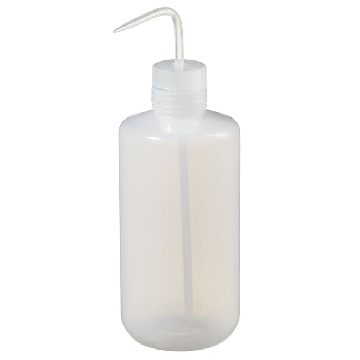
¥ 1302.89
-
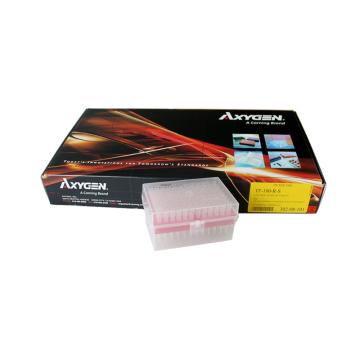
询价
-
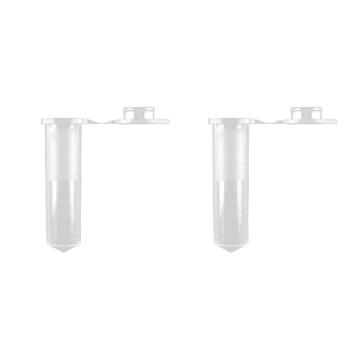
询价
-
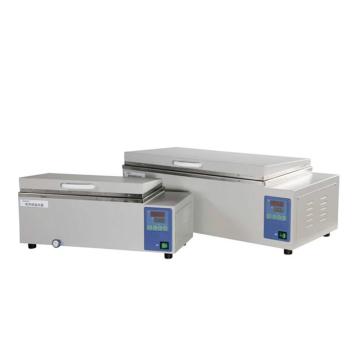
询价
-
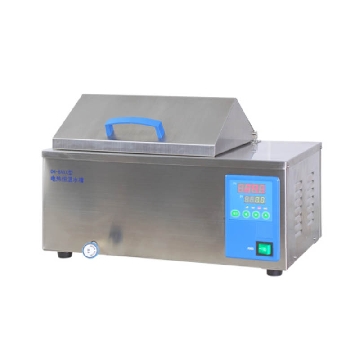
询价
-

询价
-
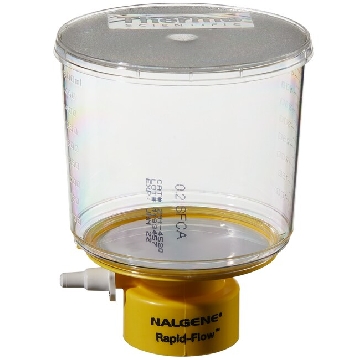 瓶顶过滤器-500ml容量,MF75TM系列,聚苯乙烯外壳,75mmSFCA滤膜,孔径0.2um,适合瓶颈尺寸45mm,12/箱,291-4520,Nalgene,Thermofisher,赛默飞世尔
¥ 2856.42
-

询价
-
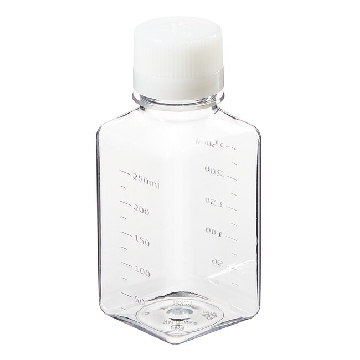
¥ 2151.46
-
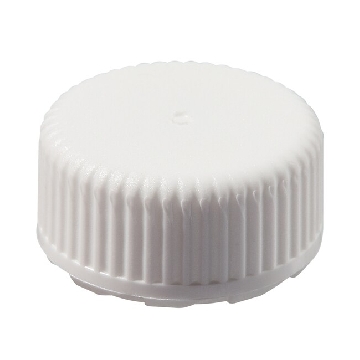
¥ 2666.57
-
¥ 1564.00
-
¥ 3031.24
-
¥ 2099.27
-

¥ 2288.54
-
¥ 4476.05
-
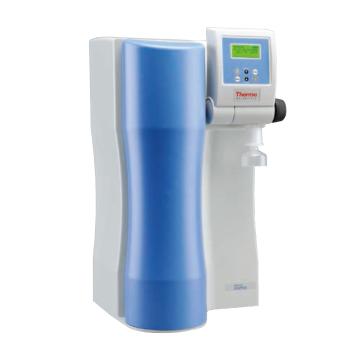
¥ 70526.15
-
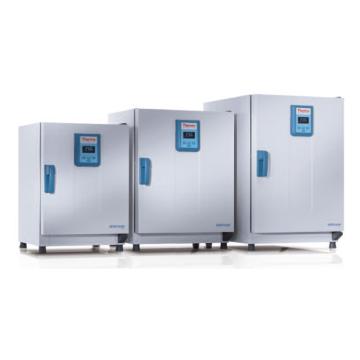
¥ 17652.29
-
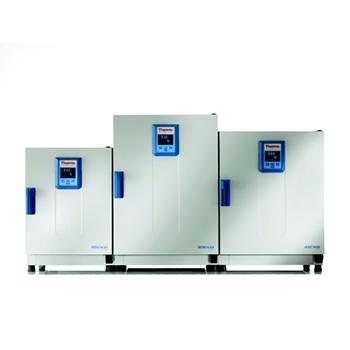
询价









 微信小程序
7X24小时在线咨询
微信小程序
7X24小时在线咨询