


- 商品介绍
- 规格参数
- 包装参数
General description
The protein encoded by this gene is one of the three catalytic subunits of protein phosphatase 1 (PP1). This broadly expressed gene encodes the alpha subunit of the PP1 complex that associates with over 200 regulatory proteins to form holoenzymes which dephosphorylate their biological targets with high specificity. PP1 is a serine/threonine specific protein phosphatase known to be involved in the regulation of a variety of cellular processes, such as cell division, glycogen metabolism, muscle contractility, protein synthesis, and HIV-1 viral transcription. Increased PP1 activity has been observed in the end stage of heart failure. Studies suggest that PP1 is an important regulator of cardiac function and that PP1 deregulation is implicated in diabetes and multiple types of cancer. Three alternatively spliced transcript variants encoding different isoforms have been found for this gene. [provided by RefSeq, Jul 2020]/The protein encoded by this gene is one of the three catalytic subunits of protein phosphatase 1 (PP1). PP1 is a serine/threonine specific protein phosphatase known to be involved in the regulation of a variety of cellular processes, such as cell division, glycogen metabolism, muscle contractility, protein synthesis, and HIV-1 viral transcription. Mouse studies suggest that PP1 functions as a suppressor of learning and memory. Two alternatively spliced transcript variants encoding distinct isoforms have been observed. [provided by RefSeq, Jul 2008]
We are committed to bringing you Greener Alternative Products. This product is a Design for Sustainability (DfS) developed product, which belongs to one of the four categories of greener alternatives. Click here to view its DfS scorecard.
Immunogen
A synthesized peptide corresponding to a sequence within amino acids 314-327 of human PPP1CA + 1CB [NP_002700.1].
Physical form
Solution in PBS (pH 7.4) containing 50% glycerol, and 0.02% sodium azide.
Other Notes
Gently mix before use. Optimal concentrations and conditions for each application should be determined by the user.
| biological source | rabbit (Monoclonal) |
| Quality Level | 100 |
| recombinant | expressed in HEK 293 cells |
| conjugate | unconjugated |
| antibody form | affinity isolated antibody |
| antibody product type | primary antibodies |
| clone | 24GB1385, recombinant monoclonal |
| form | buffered aqueous glycerol solution |
| mol wt | 37 kDa |
| species reactivity | rat, human |
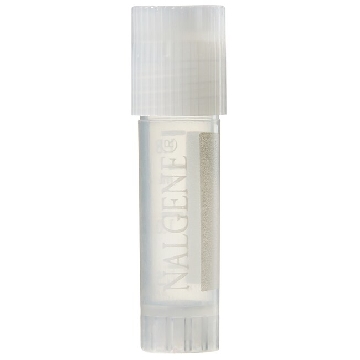
| packaging | vial of 1.5 mL |
| enhanced validation | recombinant expression Learn more about Antibody Enhanced Validation |
| sustainability | Greener Alternative Product |
| concentration | 0.725 mg/ml |
| technique(s) | flow cytometry: 1:2000,western blot: 1:1,000-1:5,000 |
| isotype | IgG |
| Ensembl | human accession no. | ENSG00000172531/ENSG00000213639 |
| NCBI accession no. | NP_002700.1 |
| UniProt accession no. | P62136/ P62140 |
| greener alternative category | DfS-Developed |
| shipped in | wet ice |
| storage temp. | −20°C |
| target post-translational modification | unmodified |
| 长度(mm) | |
| 宽度(mm) | |
| 高度(mm) | |
| 重量(kg) |
-
询价
-

¥ 2013.69
-
¥ 2019.57
-
询价
-
询价
-
询价
-
¥ 3442.25
-
询价
-
¥ 4968.78
-
¥ 3290.05
-

¥ 15214.65
-
询价
-
¥ 20380.83
-
¥ 1196.14
-
¥ 5014.59
-
¥ 2869.87
-
¥ 2911.61
-
¥ 3662.39
-
询价
-
¥ 18741.69









 微信小程序
7X24小时在线咨询
微信小程序
7X24小时在线咨询