




- 商品介绍
- 规格参数
- 包装参数
General description
ACSL1 (acyl-CoA synthetase long-chain family member 1) is the main isoform of the long-chain acyl coenzyme A (acyl-CoA) synthetase (ACSL) isoenzymes. It is predominantly expressed in tissues with high energy metabolism such as, fat, skeletal muscles and liver. This gene maps to human chromosome 4q34-q35.
Immunogen
Long-chain-fatty-acid--CoA ligase 1 recombinant protein epitope signature tag (PrEST)
Application
All Prestige Antibodies Powered by Atlas Antibodies are developed and validated by the Human Protein Atlas (HPA) project and as a result, are supported by the most extensive characterization in the industry.
The Human Protein Atlas project can be subdivided into three efforts: Human Tissue Atlas, Cancer Atlas, and Human Cell Atlas. The antibodies that have been generated in support of the Tissue and Cancer Atlas projects have been tested by immunohistochemistry against hundreds of normal and disease tissues and through the recent efforts of the Human Cell Atlas project, many have been characterized by immunofluorescence to map the human proteome not only at the tissue level but now at the subcellular level. These images and the collection of this vast data set can be viewed on the Human Protein Atlas (HPA) site by clicking on the Image Gallery link. We also provide Prestige Antibodies® protocols and other useful information.
Biochem/physiol Actions
ACSL1 (acyl-CoA synthetase long-chain family member 1) is involved in the synthesis of triacylglycerols (TAG) and fatty acid metabolism. It activates and traps free fatty acids (FFAs) within cells. It catalyzes the conversion of FFAs to acyl coenzyme A (acyl-CoA) in the presence of ATP. It also has a role in heart metabolism. This gene has a putative role in determining endurance performance, and SNP rs6552828 is marginally linked with elite endurance performance in Chinese (Han) male population. However, no such association is found in Chinese female or Caucasian population. Polymorphism rs9997745 in ACSL1 is linked with the risk of metabolic syndrome. Eicosapentaenoic acid down-regulates the expression of this gene, which in turn leads to the down-regulation of palmitate-induced cytokine production. This results in the decrease of chronic inflammation in atherosclerotic plaques.
Features and Benefits
Prestige Antibodies® are highly characterized and extensively validated antibodies with the added benefit of all available characterization data for each target being accessible via the Human Protein Atlas portal linked just below the product name at the top of this page. The uniqueness and low cross-reactivity of the Prestige Antibodies® to other proteins are due to a thorough selection of antigen regions, affinity purification, and stringent selection. Prestige antigen controls are available for every corresponding Prestige Antibody and can be found in the linkage section.
Every Prestige Antibody is tested in the following ways:
- IHC tissue array of 44 normal human tissues and 20 of the most common cancer type tissues.
- Protein array of 364 human recombinant protein fragments.
Physical form
Solution in phosphate-buffered saline, pH 7.2, containing 40% glycerol and 0.02% sodium azide
Other Notes
Corresponding Antigen APREST71196
Legal Information
Prestige Antibodies is a registered trademark of Merck KGaA, Darmstadt, Germany
Disclaimer
Unless otherwise stated in our catalog or other company documentation accompanying the product(s), our products are intended for research use only and are not to be used for any other purpose, which includes but is not limited to, unauthorized commercial uses, in vitro diagnostic uses, ex vivo or in vivo therapeutic uses or any type of consumption or application to humans or animals.
| biological source | rabbit |
| Quality Level | 100 |
| conjugate | unconjugated |
| antibody form | affinity isolated antibody |
| antibody product type | primary antibodies |
| clone | polyclonal |
| product line | Prestige Antibodies® Powered by Atlas Antibodies |
| form | buffered aqueous glycerol solution |
| species reactivity | human |
| enhanced validation | independent orthogonal RNAseq Learn more about Antibody Enhanced Validation |
| technique(s) | immunoblotting: 0.04-0.4 μg/mL,immunofluorescence: 0.25-2 μg/mL,immunohistochemistry: 1:20-1:50 |
| immunogen sequence | YATRPKPLKPPCDLSMQSVEVAGSGGARRSALLDSDEPLVYFYDDVTTLYEGFQRGIQVSNNGPCLGSRKPDQPYEWLSYKQVAELSE |
| web metadata keyword.default | ACS1 antibody rabbit for research,ACSL1 (3G4) antibody rabbit,ACSL1 (acyl-CoA synthetase long-chain family member 1) antibody,ACSL1 antibody for immunofluorescence,ACSL1 antibody for metabolic tissue studies,ACSL1 antibody for protein characterization,ACSL1 antibody rabbit immunohistochemistry,ACSL1 antibody validated by Human Protein Atlas,ACSL1 antibody with high specificity,Anti-ACSL1 antibody rabbit,Anti-ACSL1 antibody,Anti-Long-chain acyl-CoA synthetase 1 rabbit,immunoblotting Anti-ACSL1 antibody,immunofluorescence Anti-Long-chain fatty acid-CoA ligase 2,long-chain acyl-CoA synthetase 1 antibody |
| UniProt accession no. | P33121 |
| shipped in | wet ice |
| storage temp. | −20°C |
| target post-translational modification | unmodified |
| Gene Information | human ... ACSL1(2180) |
| 长度(mm) | |
| 宽度(mm) | |
| 高度(mm) | |
| 重量(kg) |
-

¥ 1573.49
-
¥ 2019.57
-
¥ 1451.54
-
询价
-
询价
-
询价
-
询价
-
询价
-

询价
-
询价
-
询价
-
¥ 4897.21
-
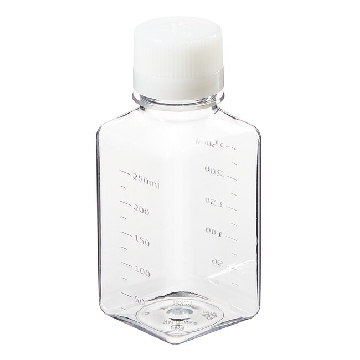
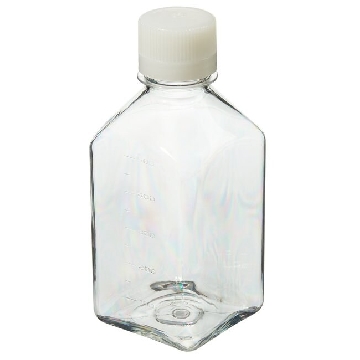 无菌,PETG 方形有刻度培养基瓶,带盖,聚对苯二酸乙二醇酯共聚物,天然高密度聚乙烯盖,500毫升容量,每箱40,40/箱,342020-0500,Nalgene,Thermofisher,赛默飞世尔
¥ 3684.34
-
¥ 2151.46
-

¥ 2666.57
-
¥ 2617.87
-
¥ 2132.12
-
¥ 2173.94
-
¥ 26846.31
-
询价









 微信小程序
7X24小时在线咨询
微信小程序
7X24小时在线咨询