



- 商品介绍
- 规格参数
- 包装参数
General description
Cytokeratins are intermediary filaments that are expressed during epithelial development. Cytokeratin-4 is largely found in non-epidermal, stratified epithelial tissues such as larynx, pharynx, vagina, exocervix and epiglottis among several others . Cytokeratin-4 has been implicated in Streptococcus agalactiae infection and genetic mutations in Cytokeratin-4 have been linked to white sponge naevus . Monoclonal Anti-Cytokeratin Peptide 4 antibody is specific for cytokeratin 4 in goats, hamsters, guinea pigs, cats, sheep, humans, rabbits, and dogs. The antibody weakly stains ciliated pseudostratified epithelium of bronchi. Ducts of skin sweat glands and prostate are focally stained by the antibody. Some endocervical columnar cells may also react with the antibody. This antibody is reactive with methanol or acetone fixed frozen sections, and with protease-digested formalin fixed paraffin embedded human tissues. Embedded methacarn fixed material can also be used for cytokeratin 4 demonstration.
Immunogen
cytokeratin from human esophagus.
Application
Monoclonal Anti-Cytokeratin Peptide 4 antibody is suitable for use in a broad range of immunoassays such as immunohistochemistry (frozen or formalin-fixed, paraffin-embedded sections), immunoblot, dot blot, and indirect immunofluorescence (1:300 using formalin-fixed, paraffin-embedded sections of human or animal tissue). The antibody may also be used for western blot and microarray.
Biochem/physiol Actions
The antibody reacts with non-cornifying squamous epithelium (e.g., exocervix, esophagus and cornea). Ciliated pseudostratified epithelium of bronchi is weakly stained. Ducts of sweat glands and prostate are focally stained. The antibody may react with some endocervical columnar cells.
Disclaimer
Unless otherwise stated in our catalog or other company documentation accompanying the product(s), our products are intended for research use only and are not to be used for any other purpose, which includes but is not limited to, unauthorized commercial uses, in vitro diagnostic uses, ex vivo or in vivo therapeutic uses or any type of consumption or application to humans or animals.
| biological source | mouse |
| Quality Level | 200 |
| conjugate | unconjugated |
| antibody form | ascites fluid |
| antibody product type | primary antibodies |
| clone | 6B10, monoclonal |
| mol wt | antigen 59 kDa |
| contains | 15 mM sodium azide |
| species reactivity | rabbit, feline, hamster, goat, guinea pig, human, canine, sheep |
| technique(s) | immunohistochemistry (formalin-fixed, paraffin-embedded sections): suitable,immunohistochemistry (frozen sections): suitable,indirect immunofluorescence: 1:300 using formalin-fixed, paraffin-embedded sections of human or animal tissue,microarray: suitable,western blot: suitable |
| isotype | IgG1 |
| UniProt accession no. | P19013 |
| shipped in | dry ice |
| storage temp. | −20°C |
| target post-translational modification | unmodified |
| Gene Information | human ... KRT4(3851) |
| 长度(mm) | |
| 宽度(mm) | |
| 高度(mm) | |
| 重量(kg) |
-
询价
-
询价
-
¥ 2814.26
-
询价
-
询价
-
询价
-
询价
-
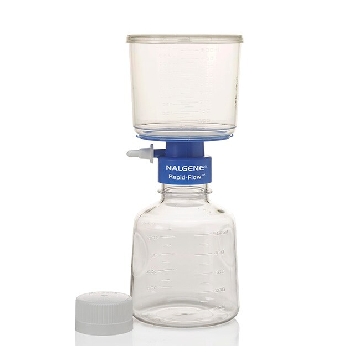
¥ 3372.68
-
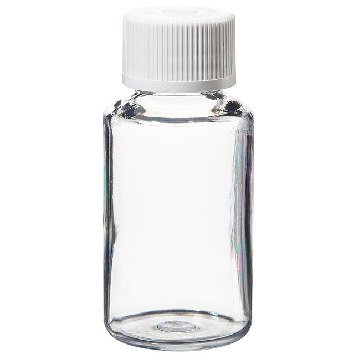
¥ 6330.00
-
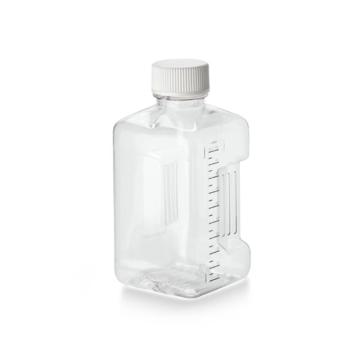
询价
-
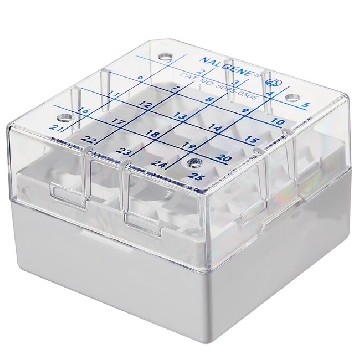
¥ 8137.12
-
¥ 1476.40
-
¥ 3031.24
-
¥ 3404.94
-
¥ 954.17
-
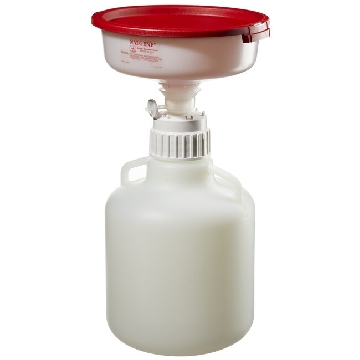
¥ 2911.61
-
¥ 2288.54
-
 NNALGENE 180透明塑料管,透明,柔软,多用,经济,内径 x 外径x壁厚,1/4 x 1/2 x 1/8,英寸,每箱数量50,50/箱,8000-0080,Thermofisher,赛默飞世尔
询价
-
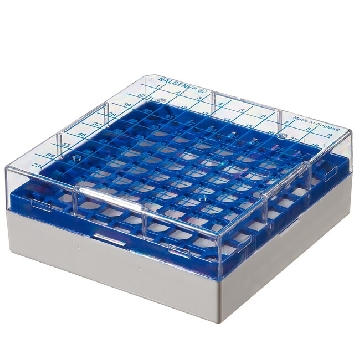
¥ 5990.26
-
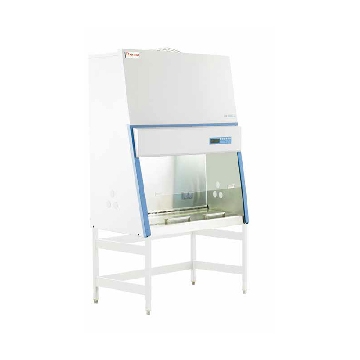
询价









 微信小程序
7X24小时在线咨询
微信小程序
7X24小时在线咨询