


- 商品介绍
- 规格参数
- 包装参数
General description
SPARC (secreted protein acidic and cysteine rich) is a multifunctional Ca2+-binding glycoprotein that belongs to the matricellular protein family, and is one of the eight members of the SPARC family. In adult animals, SPARC protein is generally expressed in remodeling tissues, such as bone, mucosa of the gut, and healing wounds. It shows predominant expression in tumors and in disorders linked with fibrosis. It is composed of three domains, which include a novel follistatin-like module, the acidic N-terminal (NT) domain and an extracellular calcium-binding EC module containing two EF-hand motifs. It is also known as osteonectin, and has a molecular weight of 32kDa. The gene is localized to human chromosome 5q33.1, and the encoded protein is a single polypeptide composed of 285 amino acids.
Biochem/physiol Actions
SPARC (secreted protein acidic and cysteine rich) binds to the structural matrix protein, such ascollagen and vitronectin, and thus, regulates cell interaction with extracellular matrix (ECM). It also has counter-adhesive effects on cells by negatively influencing focal adhesions. It arrests cells in the G1 phase of cell cycle, and hence, suppresses cell proliferation. SPARC protein regulates various growth factors, such as platelet-derived growth factor (PDGF), fibroblast growth factor 2 (FGF), and vascular endothelial growth factor (VEGF). In human cancers, this protein controls the activity and microenvironment of cancer cells, cell growth, apoptosis, adhesion, migration and invasion. It also controls the ECM and the activity of matrix metalloproteinases. In pancreatic cancer patients, the expression of this protein, especially in the stroma, might be linked with unfavorable prognosis. In mechanically-ventilated premature infants, SPARC levels in tracheal aspirate help determine the development of bronchopulmonary dysplasia (BPD) or death.
Physical form
Lyophilized from 10 mM Sodium Phosphate, pH 7.6.
Preparation Note
Centrifuge the vial prior to opening. Reconstitute in water to a concentration of 0.1-1.0 mg/ml. Do not vortex. This solution can be stored at 2-8°C for up to 1 week. For extended storage, it is recommended to further dilute in a buffer containing a carrier protein (example 0.1% BSA) and store in working aliquots at -20°C to -80°C.
Other Notes
APQQEALPDE TEVVEETVAE VTEVSVGANP VQVEVGEFDD GAEETEEEVV AENPCQNHHC KHGKVCELDE NNTPMCVCQD PTSCPAPIGE FEKVCSNDNK TFDSSCHFFA TKCTLEGTKK GHKLHLDYIG PCKYIPPCLD SELTEFPLRM RDWLKNVLVT LYERDEDNNL LTEKQKLRVK KIHENEKRLE AGDHPVELLA RDFEKNYNMY IFPVHWQFGQ LDQHPIDGYL SHTELAPLRA PLIPMEHCTT RFFETCDLDN DKYIALDEWA GCFGIKQKDI DKDLVI
| biological source | human |
| recombinant | expressed in CHO cells |
| assay | ≥97% (HPLC),≥97% (SDS-PAGE) |
| form | lyophilized |
| potency | 0.5-0.7 μg/mL |
| mol wt | 43.7 kDa |
| packaging | pkg of 50 μg |
| technique(s) | cell culture | mammalian: suitable |
| impurities | <0.1 EU/μg endotoxin, tested |
| color | white |
| UniProt accession no. | P09486 |
| shipped in | wet ice |
| storage temp. | −20°C |
| Gene Information | human ... SPARC(6678) |
| 长度(mm) | |
| 宽度(mm) | |
| 高度(mm) | |
| 重量(kg) |
-
¥ 2814.26
-
¥ 1683.78
-
¥ 1779.22
-
询价
-
询价
-
询价
-
询价
-
询价
-
询价
-
询价
-
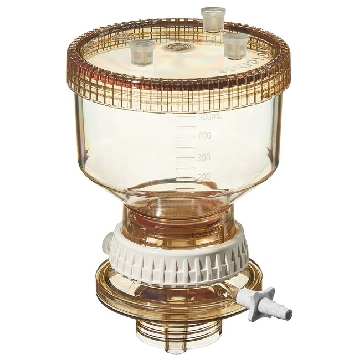
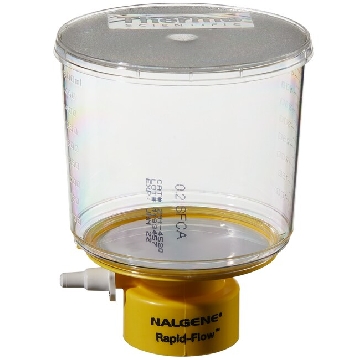 瓶顶过滤器-500ml容量,MF75TM系列,聚苯乙烯外壳,75mmSFCA滤膜,孔径0.2um,适合瓶颈尺寸45mm,12/箱,291-4520,Nalgene,Thermofisher,赛默飞世尔
¥ 2856.42
-
询价
-
¥ 2842.54
-
¥ 1586.69
-
询价
-
¥ 58855.47
-
¥ 21144.84
-
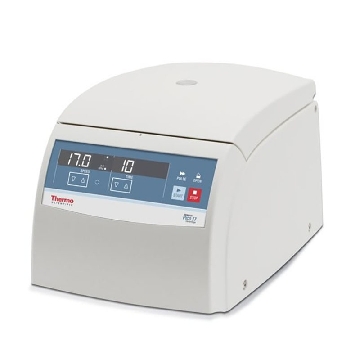
¥ 25801.21
-
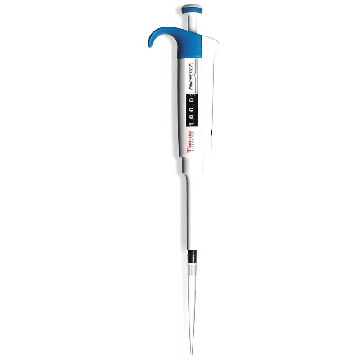
¥ 1799.83
-
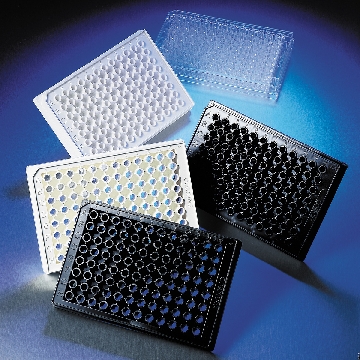
询价









 微信小程序
7X24小时在线咨询
微信小程序
7X24小时在线咨询