



- 商品介绍
- 规格参数
- 包装参数
General description
This gene activation system is based on a fusion of inactive Cas9 (dCas9) to the catalytic histone acetyltransferase (HAT) core domain of the human E1A-associated protein p300. The dCas9-p300 activator lenti plasmids use the EF1 alpha promoter for strong expression of dCas9-P300 and blasticidin linked by a 2A peptide (EF1a-dCas9-P300-2A-Blasticidin) allowing for easy selection following successful transfection or transduction. Use Sigma′s lentiviral dCas9-P300 lenti plasmid for generation of lentiviral particles and efficient production of stable cell lines expressing dCas9-P300 for CRISPR based gene activation. The dCas9-P300 lenti plasmid is one part of a two part CRISPR system with individual dCas9-P300 and gRNA expression vectors.
To order gRNA in any format click here
Application
- Functional Genomics/Target Validation
- Epigenetic Modification
- Transcriptional Activation
- Manufacture of dCas9-P300 expressing lentiviral particles
Biochem/physiol Actions
CRISPR/Cas systems are employed by bacteria and archaea as a defense against invading viruses and plasmids. Recently, the type II CRISPR/Cas system from the bacterium Streptococcus pyogenes has been engineered to function in eukaryotic systems using two molecular components: a single Cas9 protein and a non-coding guide RNA (gRNA). Mutations to the catalytic domains, RuvC and HnH, render it inactive as a nuclease yet still allow for the protein to be programmed to target specific sequences of DNA with a single gRNA. A fusion of dCas9 to the catalytic histone acetyltransferase (HAT) core domain of the human E1A-associated protein p300 induces transcription by releasing DNA from its heterochromatin state allowing for continued and robust gene expression by endogenous cellular machinery. The dCas9-p300 CRISPR Gene Activator represents a distinct mechanism of action relative to dCas9-VP64 or other similar gene activation motifs
Features and Benefits
The Sigma CRISPR dCas9p300V plasmid co-expresses p300-HAT and Blasticidin, allowing for blasticidin based selection of cells expressing dCas9p300. gRNAs can successfully direct nuclease-deficient Cas9 (dCas9) fused to p300 HAT catalytic domain to increase levels of histone acetylation and endogenous gene expression. The dCas9-p300 histone acetylation approach represents a distinct mechanism of action relative to dCas9-VP64 or other similar gene activation motifs.
Legal Information
CRISPR Use License Agreement
Lentiviral, WPRE, and Evrogen Fluorophore License
| recombinant | expressed in E. coli |
| Quality Level | 200 |
| form | liquid |
| packaging | vial of 50 μL |
| concentration | 20 ng/μL in TE buffer; DNA (1μg of plasmid DNA) |
| application(s) | CRISPR |
| shipped in | dry ice |
| storage temp. | −20°C |
| 长度(mm) | |
| 宽度(mm) | |
| 高度(mm) | |
| 重量(kg) |
-
询价
-

¥ 2528.88
-
询价
-
询价
-

¥ 2013.69
-

¥ 1302.89
-

¥ 3109.49
-

¥ 4039.86
-
询价
-
询价
-
询价
-
询价
-
询价
-
询价
-

询价
-

询价
-
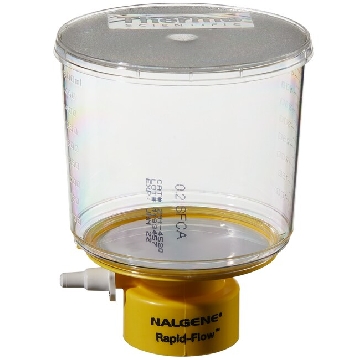 瓶顶过滤器-500ml容量,MF75TM系列,聚苯乙烯外壳,75mmSFCA滤膜,孔径0.2um,适合瓶颈尺寸45mm,12/箱,291-4520,Nalgene,Thermofisher,赛默飞世尔
¥ 2856.42
-

¥ 20380.83
-

¥ 2666.57
-
¥ 745.60









 微信小程序
7X24小时在线咨询
微信小程序
7X24小时在线咨询