





- 商品介绍
- 规格参数
- 包装参数
General description
FISH (Fluorescent in Situ Hybridization) technique is based on the hybridization of fluorescently labeled oligonucleotide probes to a specific complementary DNA or RNA sequence in whole and intact cells. Microbial FISH allows the visualization, identification and isolation of bacteria due to recognition of ribosomal RNA also in unculturable samples. FISH can serve as a powerful tool in the microbiome research field by allowing the observation of native microbial populations in diverse microbiome environments, such as samples from human origin (blood and other tissues), microbial ecology (solid biofilms and aquatic systems) and plants. Alphaproteobacteria FISH probe – Cy3 (MBD0059) specifically recognizes Alphaproteobacteria cells. Alphaproteobacteria is the second largest class of bacteria within the gram-negative phylum Proteobacteria, with a high level of functional diversity among its eight major orders: Caulobacterales, Rhizobiales, Rhodobacterales, Pelagibacterales, Sphingomonadales, Rhodospirillales, Holosporales and Rickettsiales. Mitochondria are thought to have evolved from Alphaproteobacteria. Between 20-50% of bacterioplankton cells in the ocean belong to the Alphaproteobacteria class, and Alphaproteobacteria is also abundant in soil and freshwater environments. Rhizobiales is a soil-based plant symbiont Alphaproteobacteria widely studied in agricultural research and Rhodobacterales is an example of a purple photosynthetic Alphaproteobacteria bacteria. Certain genera of Alphaproteobacteria, such as Brucella, are common human pathogens. One species of Alphaproteobacteria, Paracoccus yeei, was correlated to opportunistic infections in humans, including peritonitis,myocarditis, and dermatologic lesions. Interestingly, several types of Alphaproteobacteria have been shown to divide asymmetrically, a trait that may contribute to this class’s heterogeneity and adaptability to a wide variety of microbiome environments. The FISH probe has been used to recognize many Alphaproteobacteria species, such as Magnetospirillum gryphiswaldense, a spiral-shaped magnetotactic bacteria first isolated from river sediment in 1990. In addition, the FISH probe has been used to detect Alphaproteobacteria from a wide variety of environmental microbial samples, including bacterial populations isolated from snow, wastewater treatment plants, lichen and sphagnum moss samples, seawater, and freshwater sediments.
Application
Probe for fluorescence in situ hybridization (FISH), recognizes Alphaproteobacteria cells (except for Rickettsiales)
Features and Benefits
- Visualize, identify and isolate Alphaproteobacteria cells.
- Observe native Alphaproteobacteria cell populations in diverse microbiome environments.
- Specific, sensitive and robust identification of Alphaproteobacteria in bacterial mixed populations.
- Specific, sensitive and robust identification even when Alphaproteobacteria is in low abundance in the sample.
- FISH can complete PCR based detection methods by avoiding contaminant bacteria detection.
- Provides information on Alphaproteobacteria morphology
| Quality Segment | 200 |
| concentration | 20 μM in water |
| fluorescence | λex 550 nm; λem 570 nm (Cy3) |
| shipped in | dry ice |
| storage temp. | -10 to -25°C |
| 长度(mm) | |
| 宽度(mm) | |
| 高度(mm) | |
| 重量(kg) |
-
¥ 12156.68
-

¥ 4039.86
-

¥ 5887.85
-
询价
-

询价
-
询价
-

¥ 8520.40
-

询价
-
¥ 238.17
-

¥ 3290.05
-
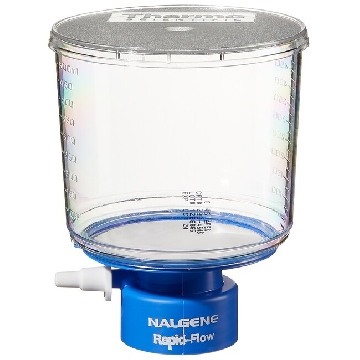 瓶顶过滤器-500ml容量,MF75TM系列,聚苯乙烯外壳,75mmPES滤膜,孔径0.45um,适合瓶颈尺寸33mm,12/箱,295-3345,Nalgene,Thermofisher,赛默飞世尔
¥ 1938.54
-
¥ 3319.60
-
¥ 2666.57
-

¥ 1509.00
-
¥ 1196.14
-
¥ 1783.21
-
¥ 5061.38
-
¥ 5990.26
-
询价
-
询价









 微信小程序
7X24小时在线咨询
微信小程序
7X24小时在线咨询