



- 商品介绍
- 规格参数
- 包装参数
General description
Human IgG consist of four subclasses (1-4) that can be recognized by antigenic differences in their heavy chains. They constitute approximately 65, 30, 5 and 4% of the total IgG, respectively. The abundance of the different IgG subclasses in the bloodstream varies with age, IgG1 and IgG3 reach normal adult levels by 5-7 years of age while IgG2 and IgG4 levels rise more slowly, reaching adult levels at about 10 years of age.
Immunogen
Human IgG3 myeloma proteins covalently coupled to polyaminostyrene (PAS) microbeads
Application
Anti-Human IgG3 antibody, mouse monoclonal has been used in indirect ELISA and immunoprecipitation.
Biochem/physiol Actions
IgG1 and IgG3 are the only subclasses capable of adherence to mononuclear phagocytes and are recognized readily by the Fc receptors on various reticulo-endothelial . IgG3 deficiency has been associated with a history of recurrent infectious, leading to chronic lung disease.
Physical form
Solution in 0.01 M phosphate buffered saline, pH 7.4, containing 15 mM sodium azide.
| biological source | mouse |
| Quality Level | 200 |
| antibody form | purified from hybridoma cell culture |
| antibody product type | primary antibodies |
| clone | HP-6050, monoclonal |
| form | buffered aqueous solution |
| species reactivity | human |
| concentration | ~1.0 mg/mL |
| technique(s) | immunoprecipitation (IP): 1-2.5 μg/test using Human IgG3 myeloma,indirect ELISA: 0.15-0.3 μg/mL using 1 μg/ml Human IgG3 myeloma for coating |
| isotype | IgG1 |
| shipped in | dry ice |
| storage temp. | −20°C |
| target post-translational modification | unmodified |
| 长度(mm) | |
| 宽度(mm) | |
| 高度(mm) | |
| 重量(kg) |
-
¥ 2528.88
-
¥ 1573.49
-
¥ 1866.29
-
¥ 1451.54
-
¥ 9207.92
-
¥ 8293.41
-
询价
-
询价
-
询价
-
询价
-
询价
-

询价
-
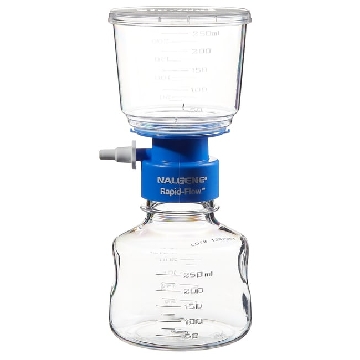
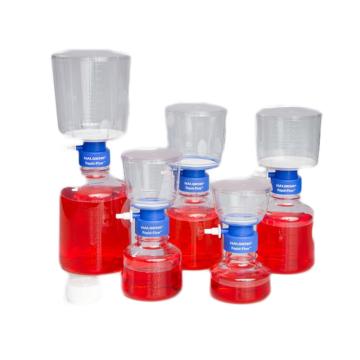
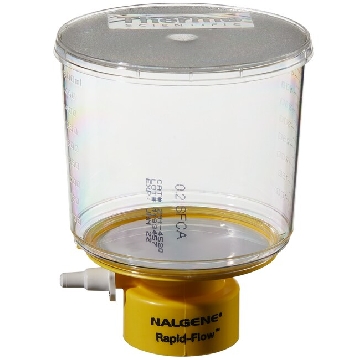 瓶顶过滤器-500ml容量,MF75TM系列,聚苯乙烯外壳,75mmSFCA滤膜,孔径0.2um,适合瓶颈尺寸45mm,12/箱,291-4520,Nalgene,Thermofisher,赛默飞世尔
¥ 2856.42
-
询价
-
¥ 8982.64
-

¥ 20380.83
-
¥ 2406.69
-
¥ 2288.54
-

¥ 3796.67
-
¥ 37675.92









 微信小程序
7X24小时在线咨询
微信小程序
7X24小时在线咨询