



- 商品介绍
- 规格参数
- 包装参数
General description
High-mobility group-1 protein (HMG-1) or amphoterin is a nuclear DNA-binding protein that facilitates the bending and transcription of DNA. It also has a pivotal role in the regulation of chromatin structure, DNA replication, ligation and repair. Monoclonal anti-HMG-1 antibody can be used as a vital tool to study the biology of transcription. It can also be used in indirect ELISA and immunoblotting (25kD approx.). Mouse anti-HMG-1 antibody reacts specifically with HMG-1 of canine, mouse, chicken, rat and human.
Monoclonal Anti-HMG-1 (mouse IgG1 isotype) is derived from the HAP46.5 hybridoma produced by the fusion of mouse myeloma cells and splenocytes from BALB/c mouse immunized with purified human recombinant HMG-1. HMG-1 (High-Mobility-Group protein, amphoterin) is a highly conserved protein with more than 95% amino acid identity between rodent and human HMG-1. It is a prevalent non-histone chromatin component and a non-sequence specific DNA binding protein. HMG-1 consists of two homologous HMG boxes rich in basic amino acids and an acidic tail at the carboxy-terminus.
Immunogen
purified recombinant human HMG-1.
Application
Monoclonal Anti-HMG-1 antibody is suitable for use in immunochemical applications such as ELISA and immunoblotting (approx. 25 kDa).
Monoclonal Anti-HMG-1 recognizes human, canine, mouse, rat, and chicken HMG-1.
Monoclonal anti-HMG-1 antibody can be used in immunofluorescent staining. It can also be used in microarray and western blotting.
Biochem/physiol Actions
High-Mobility-Group protein, amphoterin, HMG-1 is involved in the regulation of chromatin structure as well as being involved, either as positive or negative factors with various aspects of DNA replication, transcription, repair, and ligation. HMG-1, identified as a membrane associated protein termed “amphoterin,” mediates neurite outgrowth, tumor outgrowth, and metastasis. It participates in plasminogen activation and is recognized as a late mediator of endotoxin lethality in mice.
Physical form
Solution in 0.01 M phosphate buffered saline containing 15 mM sodium azide.
Disclaimer
Unless otherwise stated in our catalog or other company documentation accompanying the product(s), our products are intended for research use only and are not to be used for any other purpose, which includes but is not limited to, unauthorized commercial uses, in vitro diagnostic uses, ex vivo or in vivo therapeutic uses or any type of consumption or application to humans or animals.
| biological source | mouse |
| Quality Segment | 200 |
| conjugate | unconjugated |
| antibody form | purified immunoglobulin |
| antibody product type | primary antibodies |
| clone | HAP46.5, monoclonal |
| form | buffered aqueous solution |
| mol wt | antigen ~25 kDa |
| species reactivity | canine, mouse, rat, chicken, human |
| technique(s) | indirect ELISA: suitable,microarray: suitable,western blot: 0.5-1 μg/mL using total cell extract of human MCF7 breast carcinoma cells |
| isotype | IgG1 |
| UniProt accession no. | P09429 |
| shipped in | dry ice |
| storage temp. | −20°C |
| target post-translational modification | unmodified |
| Gene Information | human ... HMGB1(3146) mouse ... Hmgb1(15289) rat ... Hmgb1(25459) |
| 长度(mm) | |
| 宽度(mm) | |
| 高度(mm) | |
| 重量(kg) |
-
询价
-
询价
-
询价
-
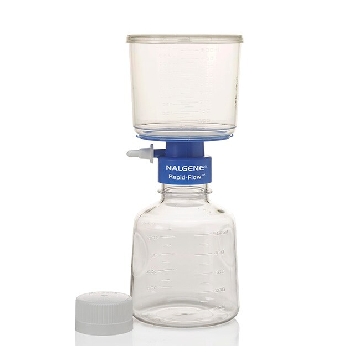
¥ 3372.68
-
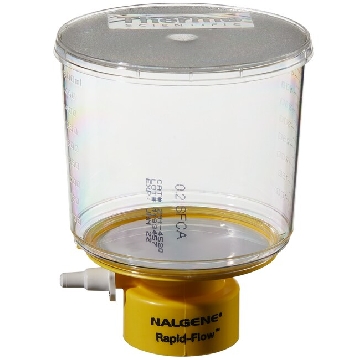 瓶顶过滤器-500ml容量,MF75TM系列,聚苯乙烯外壳,75mmSFCA滤膜,孔径0.2um,适合瓶颈尺寸45mm,12/箱,291-4520,Nalgene,Thermofisher,赛默飞世尔
¥ 2856.42
-
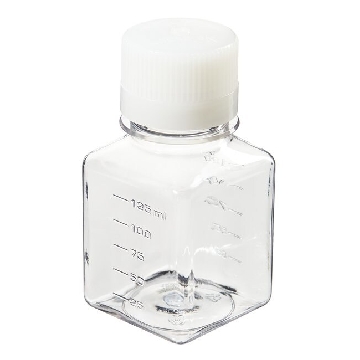
¥ 2573.97
-
¥ 2882.02
-
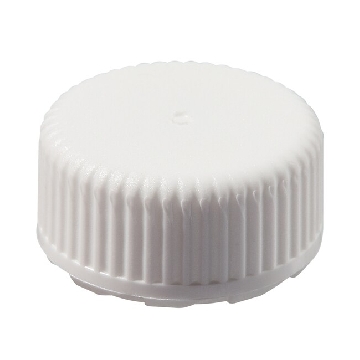
¥ 2666.57
-

¥ 5804.96
-
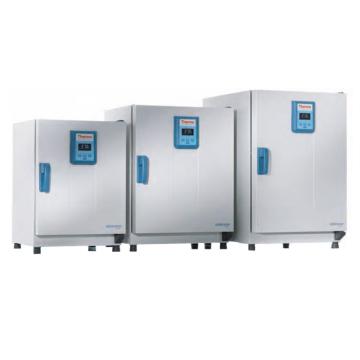
¥ 26022.64
-
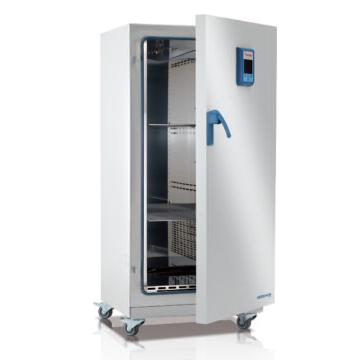
¥ 39793.68
-
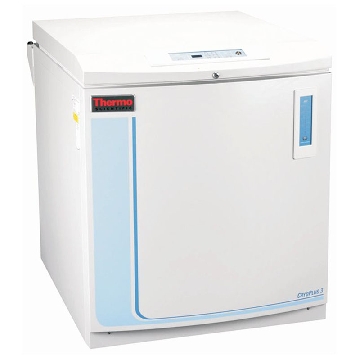
¥ 200318.99
-
询价
-

询价
-
询价
-
询价
-
询价
-
询价
-
询价
-
询价









 微信小程序
7X24小时在线咨询
微信小程序
7X24小时在线咨询