



- 商品介绍
- 规格参数
- 包装参数
General description
Sortilin (UniProt Q99523; also known as 100 kDa NT receptor, Glycoprotein 95, Gp95, Neurotensin receptor 3, NT3, NTR3) is encoded by the SORT1 (also known as LDLCQ6, NT3) gene (Gene ID 6272) in human. Sortlin belongs to the family of sorting receptors that are characterized by the Vps10p domain, which creates a tunnel cavity with its ten-bladed β-propeller for the binding of soluble ligands. These family members also contain a short cytoplasmic tail that harbors recognition motifs for subcellular sorting adaptor proteins. Sortilin is reported to bind PCSK9 in the trans-Golgi network with high-affinity in HepG2 cells. Sort1 knockout mice exhibit low levels of PCSK9 in plasma and its subcellular localization in hepatocytes is also altered. Sortilin is also found to co-localize with amyloid precursor protein (APP) in neurites and it facilitates APP processing toward production of sAPPα, possibly by optimizing APP as substrate for α-secretase cleavage. Sortilin is initially produced with a signal (a.a. 1-33) and a propeptide (a.a. 34-77) sequence, the removal of which yields the mature receptor (a.a. 78-831) with a large luminal/extracellular (a.a. 78-555) portion, a transmembrane region(a.a. 756-778), and a short cytoplasmic tail (a.a.779-831). Like the other family members (MPRs and SorLA), sortilin resides both on the membrane of intracellular vesicles and on the plasma membrane. Altered sortilin expressions due to SORT1 genetic variations affect serum levels of low density lipoprotein cholesterol (LDL-C) and contribute to the LDL-C level quantitative trait locus 6 (LDLCQ6) and susceptibility to myocardial infarction.
~91 kDa calculated
Immunogen
Epitope: Extracellular domain
Recombinant protein corresponding to the extracellular domain of human Sortilin.
Application
Anti-Sortilin Antibody, clone F11 is an antibody against Sortilin Antibody for use in Immunohistochemistry (Paraffin), Immunocytochemistry, Western Blotting and ELISA.
Immunocytochemistry Analysis: A representative lot detected cellular localization of endogenous sortilin in isolated hippocampal neurons from new born (P0) wild-type, but not Sort1−/− C57BL/6J mice (Gustafsen, C., et al. (2013). J Neurosci. 33(1):64-71).
Immunocytochemistry Analysis: Representative lots detected cellular localization of exogenously expressed sortilin in transfected HEK293 cells by fluorescent immunocytochemistry (Larsen, J.V., et al. (2014). Biochem J. 457(2):277-288; Gustafsen, C., et al. (2013). J Neurosci. 33(1):64-71; Larsen, J.V., et al. (2010). Mol. Cell. Biol. 30(17):4175-4187; Nielsen, M.S., et al. (2007). Mol. Cell. Biol. 27(19):6842-6851).
ELISA Analysis: A representative lot was employed as the detection antibody in sandwich ELISA. A positive correlation was found between PCSK9 and soluble sortilin in human serum samples from healthy individuals (Gustafsen, C., et al. (2014). Cell Metab. 19(2):310-318).
Western Blotting Analysis: A representative lot detected different distribution of Sortilin than SorLA among subcellular fractions obtained by gradient centrifugation (Nielsen, M.S., et al. (2007). Mol. Cell. Biol. 27(19):6842-6851).
Research Category
Neuroscience
Research Sub Category
Developmental Neuroscience
Physical form
Format: Purified
Protein G Purified
Purified mouse monoclonal IgG1κ antibody in buffer containing 0.1 M Tris-Glycine (pH 7.4), 150 mM NaCl with 0.05% sodium azide.
Preparation Note
Stable for 1 year at 2-8°C from date of receipt.
Analysis Note
Evaluated by Immunohistochemistry in human cerebral cortex tissue.
Immunohistochemistry Analysis: A 1:50 dilution of this antibody detected Sortilin in human cerebral cortex tissue.
Other Notes
Concentration: Please refer to lot specific datasheet.
Disclaimer
Unless otherwise stated in our catalog or other company documentation accompanying the product(s), our products are intended for research use only and are not to be used for any other purpose, which includes but is not limited to, unauthorized commercial uses, in vitro diagnostic uses, ex vivo or in vivo therapeutic uses or any type of consumption or application to humans or animals.
| biological source | mouse |
| Quality Level | 100 |
| conjugate | unconjugated |
| antibody form | purified immunoglobulin |
| antibody product type | primary antibodies |
| clone | F11, monoclonal |
| species reactivity | mouse, human |
| technique(s) | ELISA: suitable,immunocytochemistry: suitable,immunohistochemistry: suitable (paraffin),western blot: suitable |
| isotype | IgG1κ |
| NCBI accession no. | NP_002950.3 |
| UniProt accession no. | Q99523 |
| shipped in | wet ice |
| target post-translational modification | unmodified |
| Gene Information | human ... SORT1(6272) |
| 长度(mm) | |
| 宽度(mm) | |
| 高度(mm) | |
| 重量(kg) |
-
询价
-
¥ 1259.40
-
¥ 2013.69
-
¥ 2068.25
-
¥ 9207.92
-
询价
-
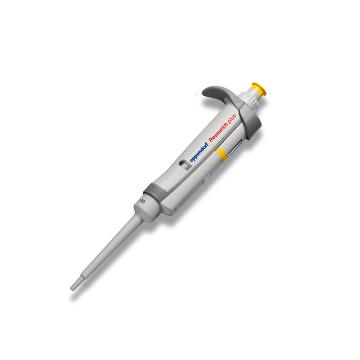
询价
-
询价
-
询价
-
询价
-
询价
-
¥ 3372.68
-
¥ 6330.00
-
询价
-
¥ 3812.28
-
询价
-
询价
-
¥ 1196.14
-
¥ 5061.38
-
¥ 1476.40









 微信小程序
7X24小时在线咨询
微信小程序
7X24小时在线咨询