




- 商品介绍
- 规格参数
- 包装参数
General description
Cysteamine is a chemical compound that can be biosynthesized in mammals, including humans, by the degradation of coenzyme A. The intermediate pantetheine is broken down into cysteamine and pantothenic acid. It is the biosynthetic precursor to the neurotransmitter hypotaurine. It is a stable aminothiol, containing both an amine and a thiol functional groups. Cysteamine is a white, water-soluble solid. It is often used as salts of the ammonium derivative including the hydrochloride, phosphocysteamine, and the bitartrate.
Application
Cysteamine derived from cysteine degradation is the simplest stable aminothiol. Cysteamine is used in the biosynthesis of coenzyme A (CoA). Cysteamine may be useful in studies on oxidative stress and glycation (transglycating agent). Cysteamine is a substrate useful to study the specificity and kinetics of cysteamine (2-aminoethanethiol) dioxygenase(s) (ADO).
Features and Benefits
Cysteamine Hydrochloride or cysteamine is a mercaptoethylamine hydrochloride salt reductant that forms in mammals from pantetheine formation by degrading Coenzyme A. It has been used as a cystine depleting agent as well as a somatostatin inhibitor.
| form | (Powder to crystal) |
| Quality Level | 200 |
| technique(s) | cell culture | mammalian: suitable |
| mp | 67-71 °C |
| solubility | soluble (50mg/ml) |
| shipped in | wet ice |
| storage temp. | 2-8°C |
| SMILES string | Cl[H].NCCS |
| InChI | 1S/C2H7NS.ClH/c3-1-2-4;/h4H,1-3H2;1H |
| InChI key | OGMADIBCHLQMIP-UHFFFAOYSA-N |
| 长度(mm) | |
| 宽度(mm) | |
| 高度(mm) | |
| 重量(kg) |
-

¥ 1302.89
-
询价
-
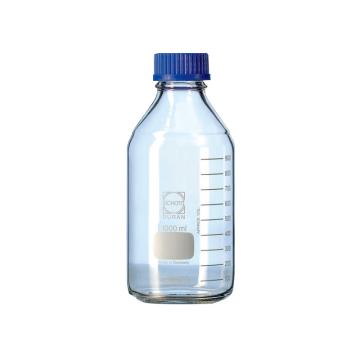
询价
-
询价
-
询价
-
询价
-
询价
-
询价
-
询价
-
询价
-
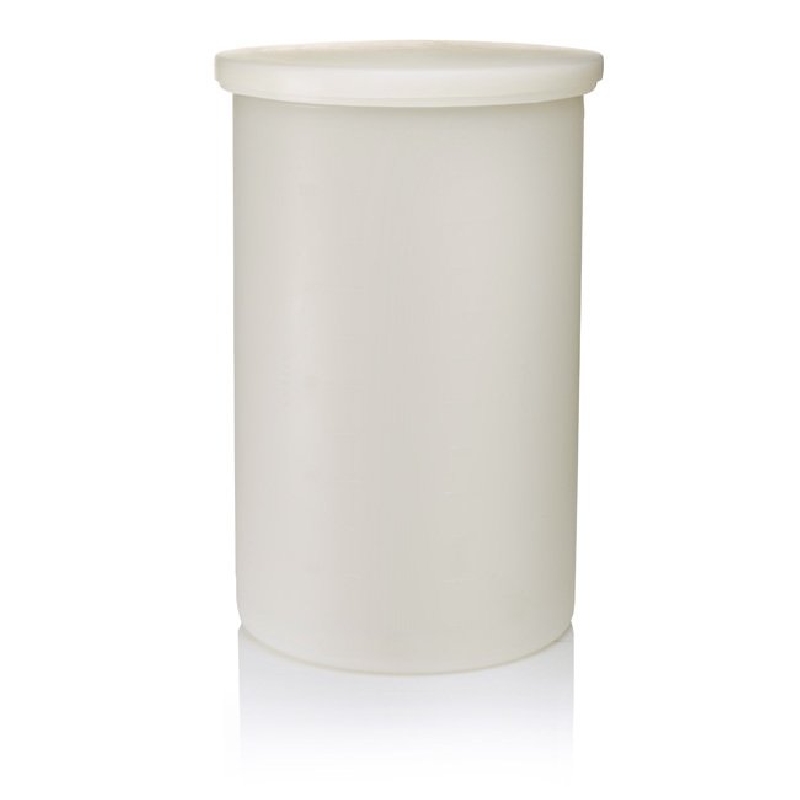
询价
-
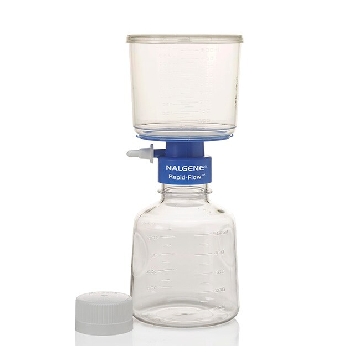
¥ 3372.68
-

询价
-
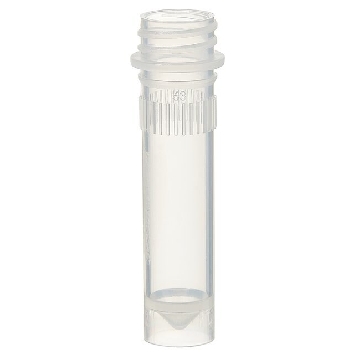
¥ 3319.60
-
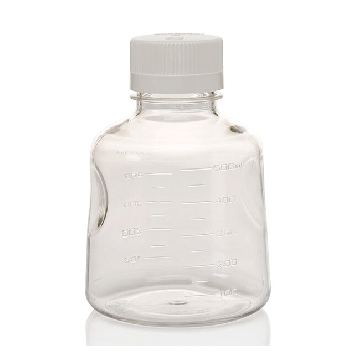
¥ 745.60
-

¥ 5426.00
-
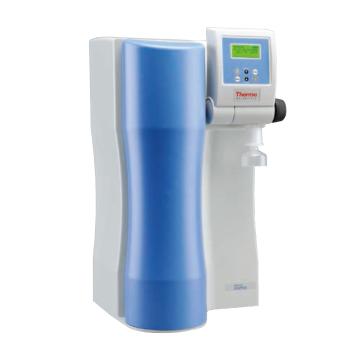
¥ 70526.15
-
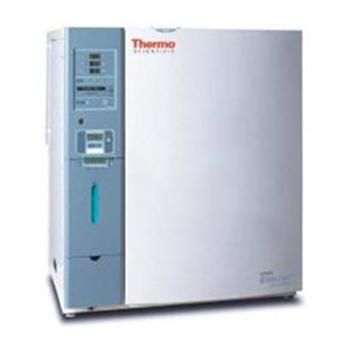
¥ 165230.53
-
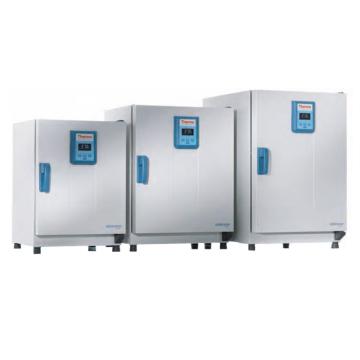
¥ 26022.64
-
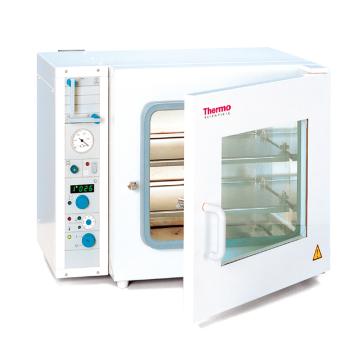
¥ 55311.07









 微信小程序
7X24小时在线咨询
微信小程序
7X24小时在线咨询